
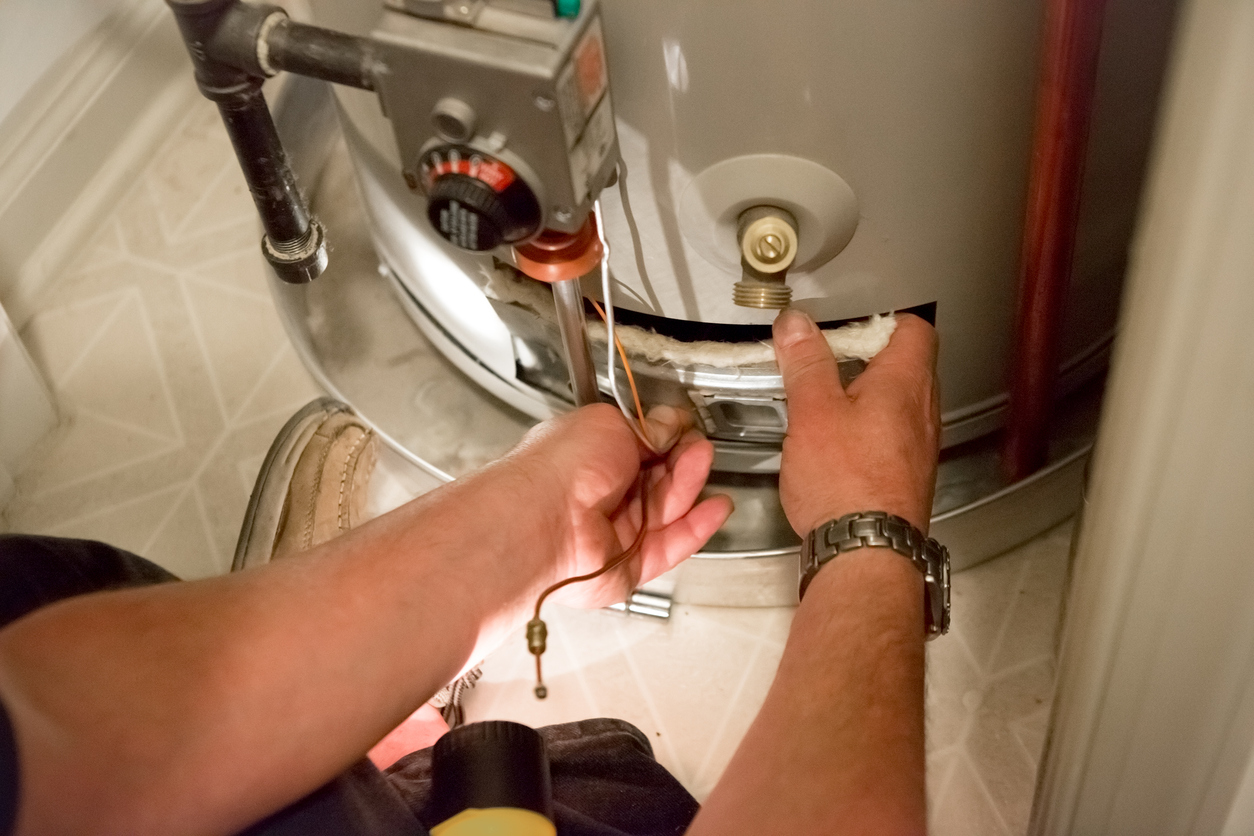
As of January 1, 2026, California's updated 2025 Building Energy Efficiency Standards — commonly known as the Energy Code or Title 24, Part 6 — are officially in effect. For Fresno homeowners, builders, and plumbing professionals, this isn't just a regulatory footnote. The new standards reshape how homes are built and renovated, with particular implications for water heating systems, electrification readiness, and the plumbing infrastructure that ties it all together.
Whether you're planning a new build, a major renovation, or simply replacing a water heater, understanding the new code is essential. Here's what you need to know.
What Changed in the 2025 Energy Code
California updates its building energy standards on a three-year cycle, and the 2025 edition represents one of the most significant shifts in how the state approaches residential energy use. The California Energy Commission (CEC) developed these standards with a focus on reducing greenhouse gas emissions from buildings — and water heating is one of the biggest targets.
The key changes that affect plumbing and water heating include:
- Heat pump water heaters as the baseline: The new code strongly encourages heat pump water heaters (HPWHs) as the standard for new residential construction. These units use electricity to move heat from the surrounding air into the water tank, making them two to three times more energy-efficient than traditional gas or electric resistance water heaters.
- Expanded electrification requirements: New construction must meet tighter performance standards that favor all-electric designs. While gas appliances aren't explicitly banned, the energy budgets in the new code make it increasingly difficult to meet compliance using gas water heaters without significant trade-offs elsewhere in the building design.
- Electric-ready mandates: Even homes that install gas appliances must now include the electrical infrastructure — a dedicated 240-volt circuit, appropriate wiring, and panel capacity — to support a future switch to electric appliances. This "electric-ready" requirement ensures that homes built today won't need expensive electrical upgrades when they eventually transition away from gas.
Why Heat Pump Water Heaters Matter
For most California homes, water heating is the single largest source of natural gas consumption. Traditional tank-style gas water heaters have been the default for decades, but they're inherently inefficient — they burn fuel to generate heat directly, losing energy in the process.
Heat pump water heaters flip the equation. By extracting ambient heat from the air and concentrating it to warm water, they achieve efficiency ratings of 300% or higher — meaning they produce three units of heat energy for every unit of electricity consumed. In Fresno's warm climate, where ambient air temperatures are high for much of the year, heat pump water heaters perform especially well.
The upfront cost of a heat pump water heater is higher than a conventional unit — typically $1,500 to $3,500 installed, compared to $800 to $1,500 for a standard gas heater. However, the operating cost savings are substantial. Most homeowners recoup the price difference within three to five years through lower utility bills, and federal tax credits and utility rebates can reduce the upfront gap even further.
What This Means for Fresno Homeowners
If you're building a new home in Fresno in 2026 or later, your builder will need to comply with the new energy standards from the start. That likely means your home will come equipped with a heat pump water heater — or at minimum, the electrical infrastructure to support one.
Replacing an Existing Water Heater
If your current water heater fails and you need a replacement, the situation depends on the scope of the work. A simple like-for-like replacement of an existing gas water heater is generally still permitted under the code. However, if the replacement triggers a broader renovation that requires a building permit, the new energy standards may apply, which could push you toward a heat pump unit or require electric-ready infrastructure.
Either way, it's worth having a conversation with a licensed plumber about your options. Even where the code doesn't mandate a heat pump water heater, the economics often favor making the switch — especially if your existing gas heater is 10 or more years old and you're facing a replacement anyway.
Planning a Renovation
If you're planning a kitchen or bathroom remodel, a room addition, or any project that requires a building permit, pay attention to how the new code might affect your plans. Projects that alter the building envelope, add square footage, or change mechanical systems may trigger compliance requirements under the 2025 standards. Your contractor and plumber should be working together to ensure the project meets code from the start.
The $5 Billion Promise
The CEC projects that the 2025 Energy Code will save Californians approximately $5 billion in energy costs over the next 30 years. Those savings come from reduced natural gas consumption, lower electricity bills (thanks to more efficient appliances), and avoided infrastructure costs associated with maintaining and expanding the gas distribution network.
For individual Fresno homeowners, the savings translate to lower monthly utility bills — particularly during the Central Valley's hot summers, when a heat pump water heater can take advantage of abundant warm air to operate at peak efficiency.
Residential Codes Frozen Until 2031
One important detail for homeowners and builders to note: the CEC has indicated that residential energy standards will remain stable through at least 2031. This means the 2025 code represents the standard that new homes and major renovations will need to meet for the foreseeable future. There won't be another round of tightening residential requirements in 2028, giving the industry time to adapt and homeowners time to plan.
This stability is good news for builders and plumbing professionals who need to invest in training, equipment, and inventory to support the new standards. It's also reassuring for homeowners who worry about buying a compliant system today only to see the rules change again in a few years.
What to Ask Your Plumber
If you're considering a water heater replacement or a renovation project in 2026, here are the key questions to ask your plumber:
- Does my electrical panel have capacity for a heat pump water heater? Older homes may need a panel upgrade to support a 240-volt circuit.
- Where should the unit be located? Heat pump water heaters need airflow — they work best in garages, utility rooms, or other spaces with adequate ventilation.
- What rebates or tax credits are available? Federal and state incentive programs can significantly offset the cost of upgrading to a heat pump unit.
- Will my project trigger code compliance? Understanding whether your renovation requires meeting the new energy standards will help you budget and plan accordingly.
Browse our Fresno plumber directory to find licensed professionals who are up to date on the 2025 Energy Code and can help you navigate the transition — whether you're building new, replacing equipment, or planning a renovation.
Related News
Browse all 36 Fresno plumbing companies in our directory.